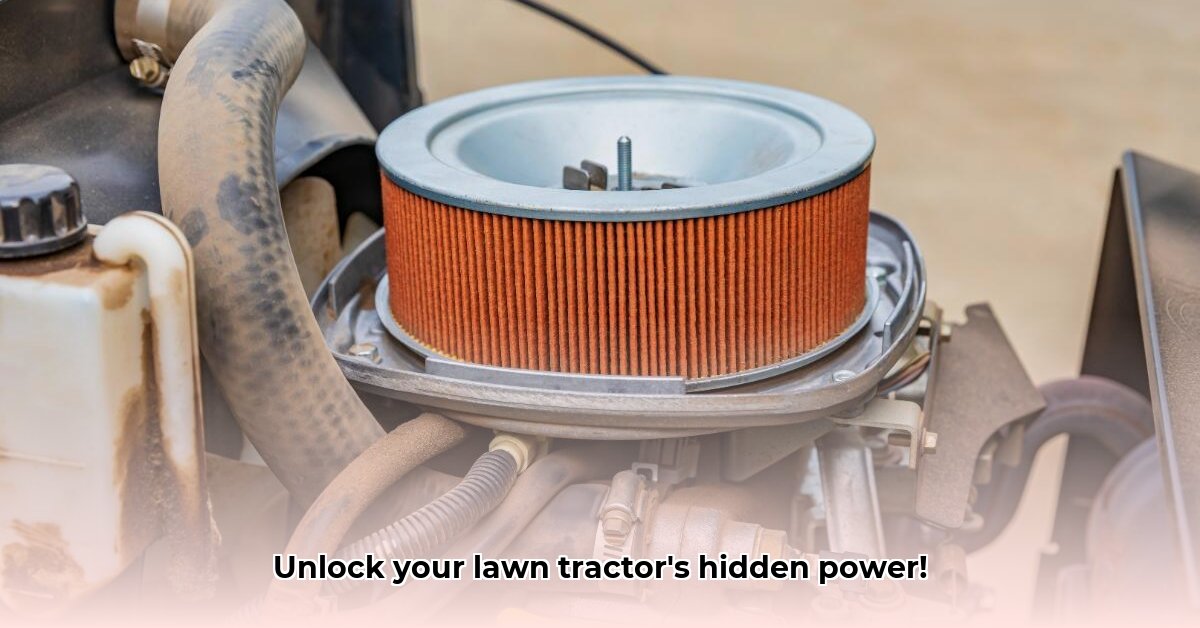
Lawn Tractor Air Filters: Breathing Easy for Peak Performance
Keeping your lawn tractor running smoothly is crucial, and a vital component often overlooked is the air filter. This often-unsung hero protects your engine from dust, dirt, and debris that can severely impact performance and longevity. A clean air filter ensures your engine receives the clean air it needs for efficient combustion, leading to extended engine life, better fuel economy, and overall improved performance. This guide will provide clear, step-by-step instructions and practical advice to help you maintain your lawn tractor's air filter effectively. For longer engine life, consider replacing the battery; learn more about battery lifespan.
Understanding Your Lawn Tractor's Air Filter
Your lawn tractor's air filter acts as the engine's first line of defense against harmful contaminants. It's essential for preventing dust, dirt, and other debris from entering the engine's combustion chamber. A clogged air filter restricts airflow, leading to reduced power, rough idling, increased fuel consumption, and ultimately, costly engine damage. Think of it like trying to breathe through a clogged straw – hard work and inefficient!
Several types of air filters are available, each with its own strengths and weaknesses:
Paper Filters: These are the most common, inexpensive, and readily available option. They are suitable for relatively clean environments but need frequent replacement due to their limited lifespan and tendency to clog quickly in dusty conditions.
Foam Filters: More durable than paper filters, foam filters offer better protection against larger particles and are suitable for moderately dusty conditions. They are typically washable and reusable, offering cost savings over the long term, but require regular cleaning and potential re-oiling.
Oiled Foam Filters: These are the premium choice, offering superior filtration and longevity, especially in very dusty environments. However, they require more frequent cleaning and re-oiling to maintain effectiveness. They're the best choice for heavy use and very dusty conditions.
Choosing the Right Air Filter
Selecting the appropriate air filter depends on two key factors: your lawn tractor's make and model and the environmental conditions in which you operate it. Always consult your owner's manual for the recommended filter specifications for your specific tractor model. Using the incorrect filter can severely impact engine performance and lead to damage.
Environmental factors play a crucial role. If you frequently mow in dusty conditions (dry fields, construction sites), an oiled foam filter offers the best protection. Conversely, a paper filter is sufficient for cleaner environments with minimal dust. Don't underestimate the importance of selecting the correct filter, as this single decision significantly impacts your tractor's performance and longevity.
Here's a table to summarize optimal filter selection:
| Filter Type | Dust Level | Cost | Maintenance | Lifespan | Best For |
|---|---|---|---|---|---|
| Paper | Low to Moderate | Low | Replace | Short | Light use, clean environments |
| Foam | Low to Moderate | Medium | Clean/Re-oil | Medium | Moderate use, moderately dusty environments |
| Oiled Foam | High | High | Clean/Re-oil | Long | Heavy use, very dusty environments |
Installing and Replacing Your Air Filter: A Step-by-Step Guide
Replacing your air filter is a straightforward process, but safety is paramount. Always follow these steps:
Safety First: Turn off the tractor, allow it to cool completely, and disconnect the spark plug to prevent accidental starting. This is crucial for your safety.
Locate the Air Filter Housing: Consult your owner's manual if needed; the housing is typically a plastic box near the carburetor.
Open the Housing: Carefully remove any clips or screws securing the housing.
Remove the Old Filter: Gently remove the old filter and inspect its condition. Assess the level of dirt buildup to gauge the frequency of future replacements.
Install the New Filter: Ensure the new filter is correctly seated and fits snugly. Don't force it.
Secure the Housing: Replace the housing cover and fasten it securely.
Reconnect the Spark Plug: Double-check that the spark plug is firmly connected.
Maintenance Schedule: Proactive Care for Long-Term Performance
Regular maintenance is key to maximizing your air filter's effectiveness and protecting your engine. A simple visual inspection every 25 hours of operation is recommended. In dusty environments, more frequent checks are essential. Replace or clean the filter immediately if it's visibly dirty or clogged. This simple act of preventative maintenance will save you from potential costly repairs.
Troubleshooting: Addressing Performance Issues
If your tractor experiences reduced power, rough idling, or difficulty starting, a clogged air filter is a prime suspect. Check and replace or clean the filter; if problems persist, seek professional assistance.
Responsible Disposal: Environmental Considerations
Dispose of used air filters responsibly, following local regulations. Many recycling centers accept used air filters; check with your local waste management service for proper disposal instructions. This simple step shows consideration for the environment.
Conclusion: A Small Effort, Big Rewards
Regular air filter maintenance is a small investment with significant returns. It ensures optimal engine performance and extends your lawn tractor's lifespan, saving you money on repairs and downtime in the long run. Prioritize this simple yet crucial maintenance task to keep your tractor running smoothly and efficiently for many years to come.